
Negotiating a fair price on a used car
Do your homework before you leave the house
The negotiation starts long before you stand on someone's driveway in the drizzle. Spend an evening building a picture of what your target car is actually selling for, not what people are asking. Search a 50-mile radius of your postcode and note the asking price, mileage, age and spec of every comparable model. A tidy Ford Focus in Taunton with 60,000 miles and full service history sets a very different benchmark from a similar car in Bristol that has been through six owners.
Don't skip the free MOT history check. It will show you advisories for corrosion, worn suspension, perished brake lines and uneven tyre wear — the sort of recurring notes that hint at a car which has been driven hard on Devon lanes or left standing near the coast. Ring your insurer for a quote too; a premium that jumps by £300 a year should be factored into what the car is worth to you.
As a rule of thumb, private sellers usually leave themselves somewhere between five and ten per cent of headroom. Trade forecourts leave far less, but they can often be persuaded to include a service, a new MOT or a set of mats instead of dropping the price.
Inspect the car and price the faults
Turn up in daylight, on a dry day if you possibly can, and take someone with you. Work through the car methodically and write down every defect. Then price each one honestly:
- Tyres: four mid-range tyres fitted locally can easily run to £400, plus alignment.
- Cambelt: if it is due or there is no proof it has been done, budget £400 to £600 on most family cars.
- Clutch and brakes: a slipping clutch or scored discs are proper money — often £600 and upwards.
- Corrosion: cars kept near the sea or down salty lanes suffer underneath. Look at sills, subframes and brake pipes, not just the shiny paint.
- Electrical niggles: air conditioning that doesn't blow cold, warning lights, parking sensors that beep randomly. Small individually, irritating collectively.
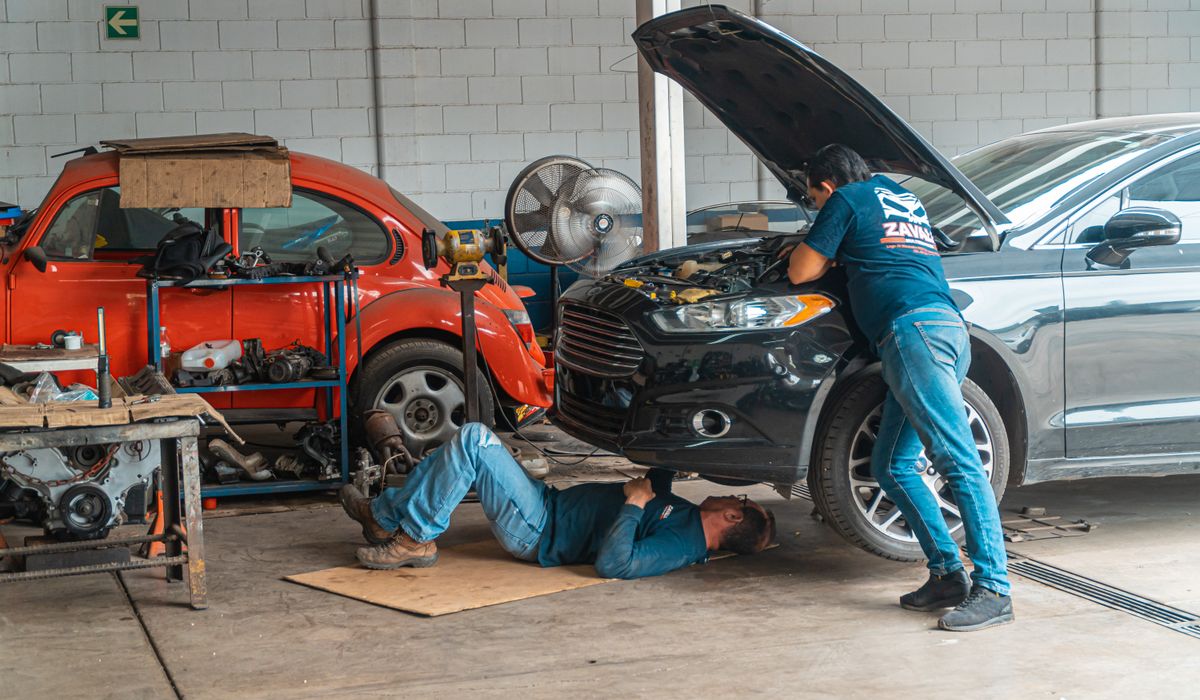
If the car is over a few thousand pounds, paying a mobile mechanic to inspect it is money well spent. On a West Country farm track or a Cornish lane, a second opinion under a ramp beats any amount of hopeful squinting.
Start the conversation the right way
Open questions get you further than a hard stare. Ask how long they have owned it, why they are selling, what it has been like to live with, and whether there is anything they would want sorted before it goes. A seller with a new car already on the drive, or a house move looming, is far more flexible than one who simply fancies a change.
Resist the urge to list every fault with glee. It puts people on the defensive and turns a conversation into a confrontation. Mention what you have found, calmly and factually, then let them talk. You will learn more from their answers than from anything you say.
Make an offer — and justify it
Name a specific figure, never a range. "Given the cambelt is due and the rear tyres will need replacing before winter, I'd be comfortable at £4,200." Then stop talking. Let the silence do the work.
Avoid the lazy "what's your best price?" — it hands control straight back to the seller and tells them you have not done your sums. Base your number on the comparables you found and the faults you priced. If they counter, move once, slowly, and only if you genuinely think the car is worth it. Walking in with a deposit and a date you can collect helps enormously; sellers love a straightforward, ready buyer.
Know your walk-away number
Set your absolute maximum before you leave home, including the cost of any immediate work. Write it down. When you are standing next to a car you like, in a nice village, with the sun out, that number has a habit of drifting.
If the seller will not budge and you have reached your limit, thank them warmly, leave your phone number and say you would still be interested if they change their mind. It is surprising how often that call comes a fortnight later. There is always another car, and the West Country has plenty of them.
Getting the paperwork right
Once you have agreed a price, the deal is not done until the paperwork is. Check the V5C registration document carefully: the seller's name and address should match where you are standing, and the vehicle details should match the car. Confirm the mileage on the document against the odometer and the MOT history.
Make sure you receive both keys, the service history, the MOT certificate and any receipts for recent work. Pay by bank transfer on collection rather than carrying a wedge of cash, and only hand over money once you have seen the documents. Ask the seller to notify the licensing agency online the same day — road tax does not transfer with the car, so you will need to tax it yourself before driving away. Finally, get a simple receipt signed by both of you showing the date, price, mileage and both names. It takes two minutes and settles any argument later.

4 Comments