
When to replace brake pads and discs
Why West Country brakes wear differently
If you live in Devon, Cornwall, Somerset or Dorset, your brakes work harder than those of a driver in a flat, dry county. Steep descents off Dartmoor and Exmoor, stop-start traffic through narrow lanes, and the constant damp, salt-laden air along the coast all take a toll. A car that spends its life between Truro and Penzance may need front pads replaced noticeably sooner than the same model pootling around Milton Keynes.
The coast is a particular factor. Salt in the air corrodes brake discs from the inside edge outwards, and it attacks the calipers and sliders too. A car parked outside within a mile of the sea can develop surface rust on its discs within days of a wash. That rust isn't automatically a reason to replace anything, but it does mean an annual visual check is worth far more than relying on mileage alone.
Warning signs that shouldn't wait
Brakes rarely fail without warning. They give you clues for weeks, sometimes months. Book the car in promptly if you notice any of the following:
- Squealing or screeching while driving, especially when you're not pressing the pedal. Many pads have a small metal wear indicator that contacts the disc once the friction material gets thin, producing a shrill squeal designed to annoy you into action.
- Grinding or metal-on-metal rumbling when braking. This usually means the friction material is gone and the backing plate is chewing into the disc. Stop driving and get it inspected — continuing risks a much larger bill.
- A soft, spongy or long-travel pedal. The pedal sinking towards the floor suggests air or moisture in the hydraulic system, a fluid leak, or a failing master cylinder. This is a safety issue, not a maintenance one.
- Pulling to one side under braking, or a steering wheel that shudders. Seized calipers and warped or unevenly worn discs are common culprits, and West Country damp accelerates both.
- Dashboard warning light for the braking system or low fluid. Don't top up and forget it — the fluid had to go somewhere.
Pads and discs: what wears, and when
Brake pads are the consumable. The friction material starts life around 10–12mm thick and, as a rough rule of thumb, should be replaced once it drops to about 3mm. Below that, heat transfer into the caliper rises sharply and performance fades on a long descent.
Discs, or rotors, are thicker. They have a minimum thickness stamped or cast into the hub, typically allowing 1.5–2mm of wear from new. A qualified mechanic measures them with a micrometer, because a visible lip on the outer edge tells you something but not everything. Discs also fail through scoring, deep grooves, heat cracks, or excessive run-out that causes judder.
The pairing matters. Fitting new pads onto worn, lipped discs gives poor contact, noise and uneven bedding-in. In most cases, if the discs are near their minimum or visibly grooved, doing pads and discs together is the sensible, cost-effective choice. Fronts typically wear roughly twice as fast as rears because weight transfers forward under braking.
Realistic intervals for West Country driving
There's no universal number, but as a guide:
- Front pads: 25,000–40,000 miles for mixed driving. Heavy hill work, towing a caravan to Cornwall, or frequent short trips in stop-start traffic can drop this to 15,000–20,000.
- Rear pads: 40,000–70,000 miles, though rear discs on lightly used cars often corrode before the pads wear out.
- Discs: often two sets of front pads per set of discs, so somewhere around 50,000–80,000 miles. Coastal cars and low-mileage vehicles may need them sooner purely from corrosion.
- Brake fluid: replace every two years regardless of mileage. It absorbs moisture, which lowers its boiling point and rusts internal components.
What happens at an inspection
A brake inspection on a ramp takes perhaps twenty minutes and should be free or very cheap. Ask the mechanic to show you what they find — a good workshop will happily hold up a worn pad or point out a lipped disc so you can see it yourself.
Expect them to check pad thickness on all four corners, disc thickness and condition, caliper operation, flexible hoses for cracking, the handbrake or electronic parking brake, and brake fluid condition. If they tell you only the pads need doing and the discs are within specification with a smooth surface, that's a perfectly reasonable outcome. If they recommend discs as well, ask for the measured thickness against the minimum — that's a fair question and any reputable garage will answer it without fuss.
After the work: bedding in and electric vehicles
New pads and discs need bedding in. For the first 200 miles or so, avoid heavy, prolonged braking from high speed. Progressive, moderate stops help transfer an even layer of friction material onto the disc face, which is what gives you quiet, consistent performance for the rest of their life.
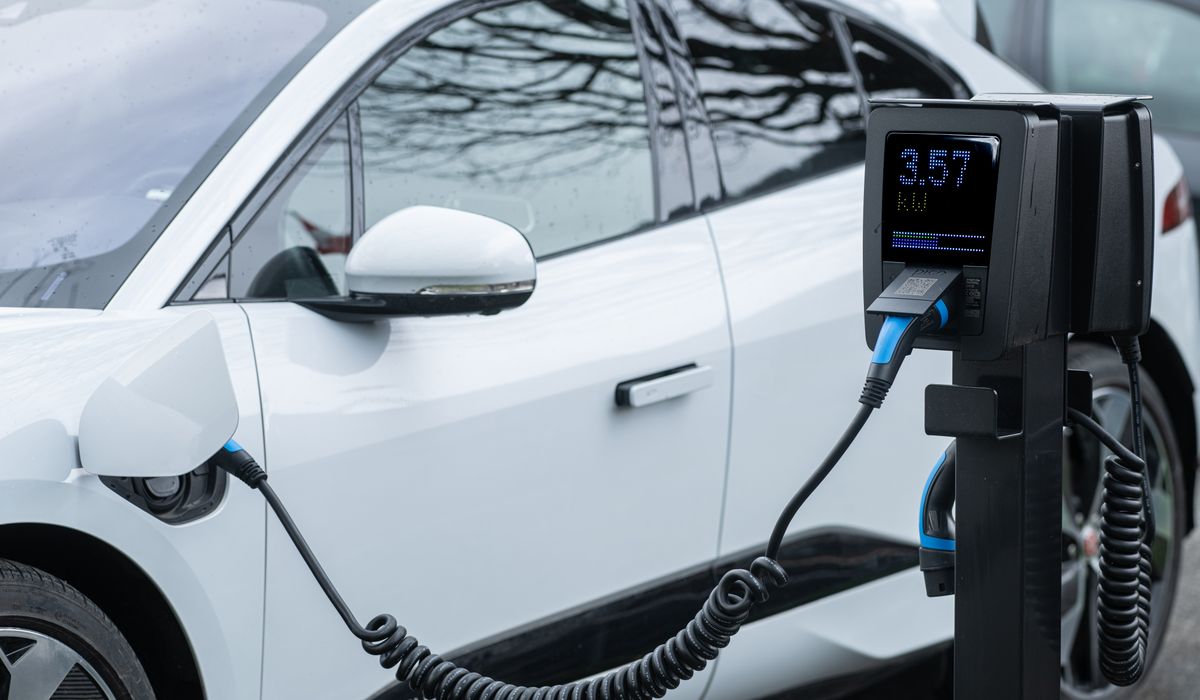
Electric and hybrid cars throw up an interesting quirk. Regenerative braking does most of the slowing, so friction pads genuinely last far longer — sometimes over 100,000 miles. The catch is that discs and calipers sit idle, corrode and seize, particularly on coastal cars. Many EV owners benefit from deliberately braking firmly now and then to scrub the discs clean and exercise the calipers. If your EV has an annual service, make sure the brakes are physically inspected rather than assumed fine because the pads look thick.
Finally, keep records. A stamped or itemised history showing when pads, discs and fluid were last replaced is one of the cheapest ways to protect your car's resale value — and it gives the next owner in the West Country confidence that the brakes have been looked after properly.

4 Comments