
Preparing your car for an MOT test
Why a bit of homework beats a re-test
An MOT is a straightforward safety and emissions check, but it still trips up thousands of drivers every year — and most of the failures are for things you could have spotted in your own driveway with a torch, a helper and half an hour. The fee is capped, the test itself rarely takes more than an hour, and a pass gives you a year of trouble-free motoring. What it does not do is forgive a blown brake light or a bald front tyre.
If you can test up to a month minus a day before your current certificate expires, you keep the same renewal date. That's the ideal window: enough time to fix anything the tester finds without pushing you past the expiry and off the road.
Start with lights, because that is where most failures lurk
Lighting faults — bulbs, poor beam aim, cracked lenses — are among the most common reasons a car fails. The good news is that they are cheap and quick to put right, and you can find them yourself.
- Switch on headlights, sidelights and main beam, then walk around the car. Check both sides, front and rear.
- Test indicators, hazards and fog lights, front and rear. Hazards will often expose a lazy indicator bulb that works perfectly one way and not the other.
- Ask someone to press the brake pedal while you watch the rear lights — or park facing a wall or shop window and use the reflection.
- Do not forget the number plate lamps. They are small, unglamorous and failed constantly.
- Look at the headlamp beam pattern on a wall. If one light points at the treetops or into the verge, get the aim checked — many garages will adjust it for a few pounds.
Tyres, wipers and screen wash: the easy wins
The legal minimum tread depth in the UK is 1.6mm across the central three-quarters of the tread, around the entire circumference. That is a legal floor, not a target. On wet West Country lanes, with standing water on the A38 and leaf mulch on moorland roads, anything under 3mm is worth replacing before winter. Check for cuts, bulges, embedded screws and uneven wear that hints at a tracking or suspension problem.
Check your tyre pressures when the tyres are cold, including the spare if you carry one. Under-inflated tyres wear at the edges and hurt your fuel economy.
- Wiper blades: lift them and look for splits, missing chunks and hardened rubber. If they smear or chatter, replace them — a pair costs less than a takeaway for two.
- Screen wash: top up with a proper concentration for the season, not neat water. In winter, a weak mix freezes on the screen and can crack the reservoir.
- Washers and jets: check they actually spray where you need them, and clear any blocked nozzles with a pin.
Horn, mirrors, seatbelts and other quick checks
Press the horn. It should give a single, clear note — not a strangled squeak. A horn with two tones where one has died is a fail.
Then work through the cabin and bodywork:
- All mirrors present, secure and not cracked to the point of obscuring your view.
- Seatbelts pull out and retract smoothly, with no fraying or cuts to the webbing.
- Doors open and close properly and latch securely — including the boot and the bonnet.
- Number plates clean, legible and correctly spaced, with no dodgy spacing or faded characters.
- Warning lights: if the engine management light stays on, sort it before the test. It is an automatic fail on most cars from 2003 onwards.
If your car has a diesel particulate filter and the light is on, or you only ever do short trips around town, give it a decent run at motorway speeds before the test to let it regenerate.
What to expect if you drive an electric car
EVs skip the emissions test, but everything else still applies — and a few things matter more. The instant torque of an electric motor chews through front tyres faster than you might expect, so measure tread carefully. Regenerative braking means the friction brakes get less use, so discs and pads can corrode or seize; a few firm stops on a quiet road before the test helps clear surface rust. Check the undertrays and battery housing for damage if you have been bouncing down rutted lanes, and confirm all lights and warning messages are behaving.
Book it, present it well, and know your rights on a re-test
Give the car a wash and clear out the footwells. A tester cannot properly inspect a seatbelt anchor buried under a collapsed picnic blanket, and a clean car simply gets looked at more carefully. Take the V5C logbook or the reference number from your reminder letter.
If it fails, you are entitled to a partial re-test rather than paying full price again. Leave the car at the test centre for the repairs and bring it back within ten working days and the partial re-test is usually free. Drive it away and return later and you will pay a partial fee.
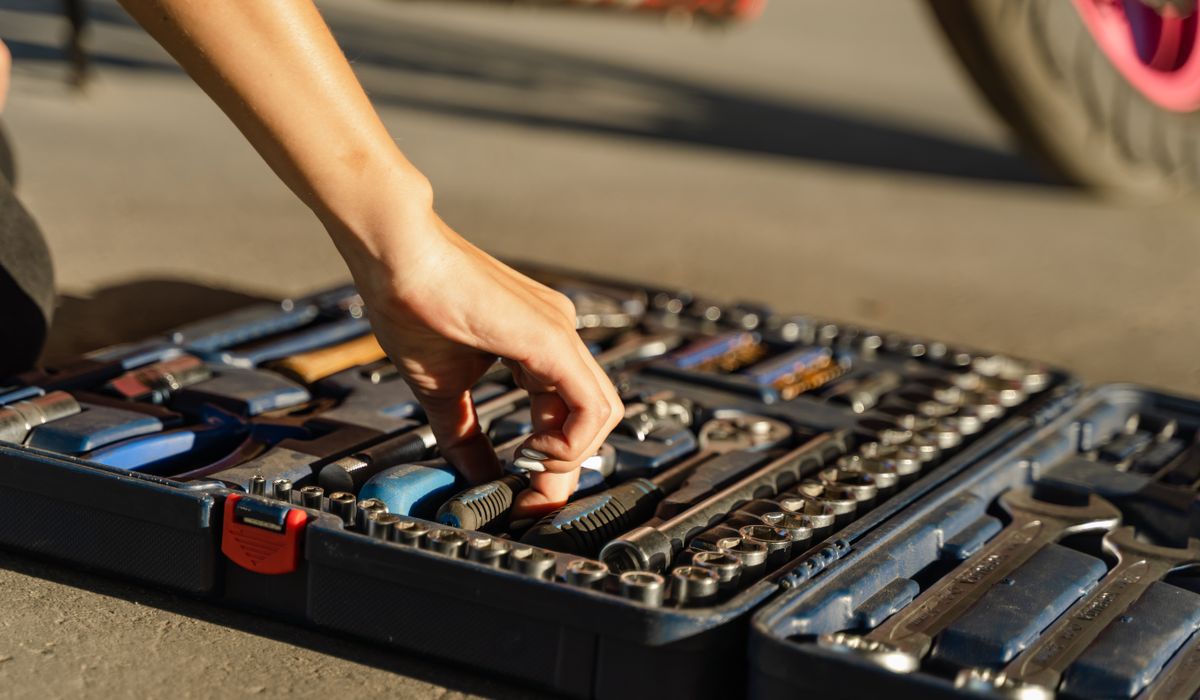
Finally, a small kit in the boot — spare bulbs, a tyre pressure gauge, a litre of screen wash and a decent torch — turns most of these jobs into ten-minute tasks. Do them once before the test and you will spend your MOT morning drinking tea rather than hunting for fault codes.

4 Comments